

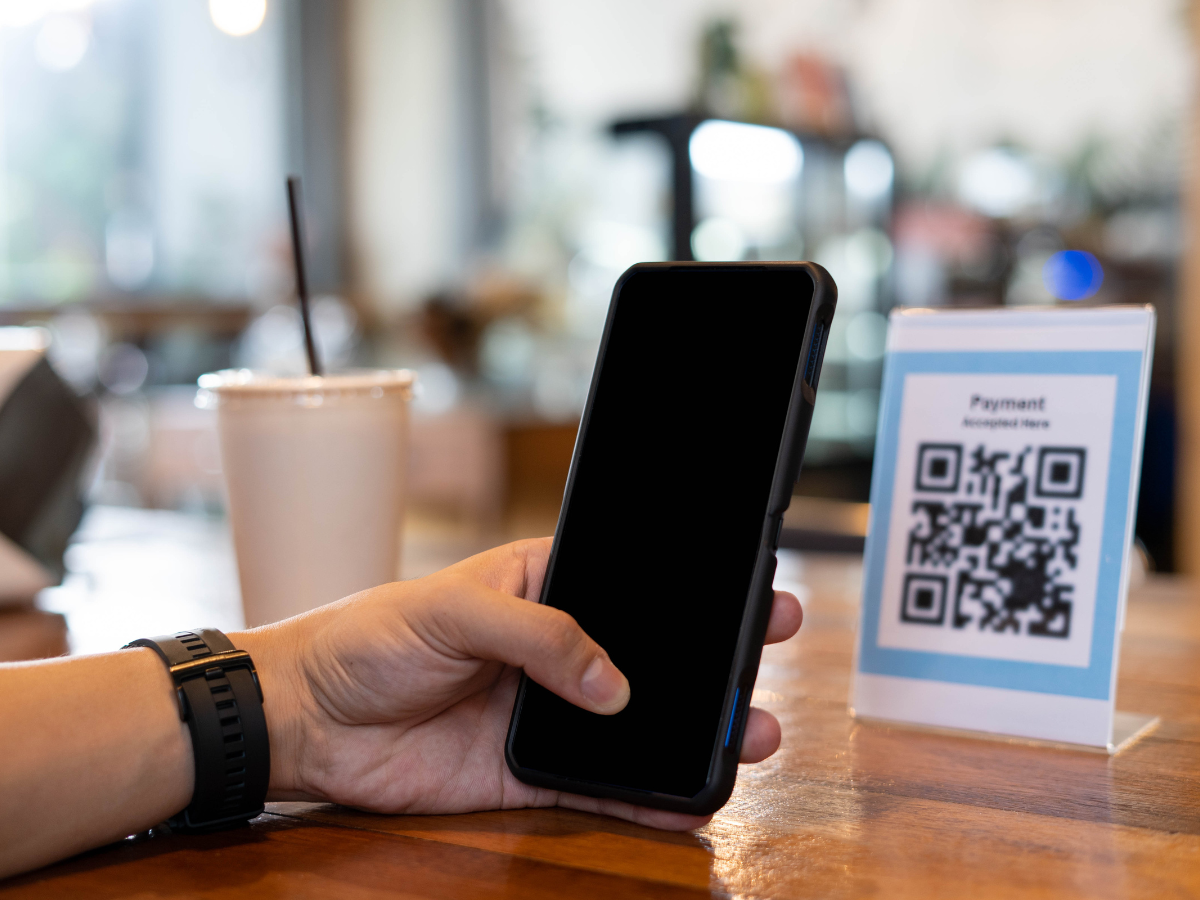
The year is 2026. You walk into a boutique café in the Dubai Design District (d3). You order a specialty latte, and as you walk toward the exit, a sleek overhead sensor recognizes your biometric profile. Your “Digital Dirham” wallet is debited instantly. No cash, no cards, no phone—not even a pause in your conversation.
This is not a scene from a science fiction movie; it is the strategic reality of Cashless Dubai 2026. Under the visionary leadership of the UAE government, the initiative to transform the city into a fully digital payment ecosystem has reached its crescendo. By this year, the city is on track to facilitate 90% of all transactions through digital channels, making the vision of a completely cashless society a tangible reality.
In this article, we will explore the pillars of Dubai’s digital payment revolution, the technologies driving it, and how you can navigate this high-speed digital era.
The Central Pillar: The Digital Dirham (CBDC)
By this year, the Central Bank Digital Currency (CBDC), known as the Digital Dirham, has moved from a pilot project to the backbone of the economy. Unlike cryptocurrencies, which are volatile and decentralized, the Digital Dirham is a stable, government-backed digital version of the fiat currency.
The Digital Dirham eliminates the “settlement gap.” Traditionally, when you swiped a card, the merchant might wait days to receive the funds. Now, payments are “atomic”—they happen instantly. For businesses in Dubai, this means a massive boost in liquidity. Cash flow is no longer trapped in banking “limbo” for 48 hours; it is available the microsecond a sale is made.
Jaywan: The National Payment Identity
In the past, the UAE relied heavily on international payment rails like Visa and Mastercard. While these still exist, this year marks the rise of Jaywan, the UAE’s domestic payment scheme.
Jaywan has localized the cost of transacting. For small business owners (SMEs), this is a game-changer. Transaction fees that once ate into 2-3% of profit margins have been drastically reduced. Furthermore, Jaywan’s integration with other regional systems (like India’s UPI or the GCC’s AFAQ) means that tourists and international investors can pay as easily as locals, removing all friction from the retail and tourism sectors.
The Death of the Post-Dated Cheque (PDC)
For decades, the physical cheque was the “necessary evil” of doing business and renting property in Dubai. Now, the physical cheque is a museum artifact.
The real estate sector has fully migrated to Direct Debit and Smart Contracts. Whether you are paying office rent in Business Bay or a residential villa in Dubai Hills, the system is automated.
- Security: No more “bounced cheque” legal nightmares
- Efficiency: Payments are automatically triggered by the Ejari system
- Trust: International investors can now manage their property portfolios with total confidence, knowing that the “paperwork” is handled by unalterable code
Biometric “Invisible” Payments
If 2024 was the year of Apple Pay, this year is the year of Biometric Pay. Dubai has integrated its world-class “Emirates ID” database with payment gateways.
At the Dubai Metro, at Carrefour, and even at high-end restaurants, “Face Pay” and “Palm Pay” are the standard. This shift toward biometrics has two major benefits:
- Security: It is nearly impossible to steal a biometric signature compared to a credit card number
- Speed: Transaction times have dropped from seconds to milliseconds, reducing queues in high-traffic areas and increasing the “velocity of money” within the city
The Business Opportunity: Data as the New Oil
In a 90% digital payment society, every transaction leaves a digital footprint. For marketing professionals and business owners, this is a goldmine of actionable intelligence.
AI-driven marketing tools can analyze spending patterns with surgical precision:
- Hyper-localization: A business owner in Dubai Marina can see exactly what time of day foot traffic peaks and what the average spend is, adjusting digital billboard offers in real-time
- Predictive stocking: Retailers use transaction data to predict inventory needs before they run out, managed entirely by AI agents
As an entrepreneur, you are no longer guessing what your customers want. The data tells you exactly who they are and how they spend.
Challenges: Privacy and the Digital Divide
Navigating the Cashless Dubai 2026 landscape is not without its hurdles. With 90% of transactions being digital, cybersecurity has become the #1 priority for every firm in Dubai.
Cyber Resilience: Companies must invest in “Zero-Trust” architectures. As we move toward a completely digital payment society, a data breach is no longer just an IT issue; it is a total business stoppage.
Inclusion: While the city moves at lightspeed, there is a conscious effort to ensure that manual laborers and the elderly are not left behind. This year sees a rise in “Simplified Digital Wallets,” designed with voice-command interfaces to assist those who may struggle with complex apps.
How to Prepare Your Business for the Digital Future
If you are an investor or business owner in Dubai, sitting on the sidelines is not an option. To thrive in the Cashless Dubai 2026 era, you must:
- Audit your payment stack: Ensure your POS (Point of Sale) systems are compatible with the Digital Dirham and Jaywan
- Embrace open banking: Use APIs to connect your business accounts directly to your accounting and marketing software
- Prioritize digital trust: Make data privacy a core part of your brand identity. Customers will shop where they feel their biometric and financial data is safest
- Upskill your team: Move your staff away from manual “cash counting” roles and toward “data analysis” and “customer experience” roles
Conclusion: A City Without Friction
Dubai’s move toward a 90% digital payment society represents more than just technology—it is about freedom. It is the freedom from waiting in line, freedom from the risk of carrying cash, and freedom from the administrative burden of old-world banking.
The era of Cashless Dubai 2026 represents a city that operates at the speed of thought. For the investors and entrepreneurs who use the tools of today—AI, CBDCs, and Smart Contracts—the potential for growth is limitless.
The question is no longer when the digital future will arrive. It is already here. The question is: Is your business ready to handle the speed?
Read also: 10 concrete examples of artificial intelligence in business